Welcome
Over the course of the academic year, this project investigated how dependant modern society has become on smart phones and questions if it is feasible to give up a smart phone in the modern world.
This website contains documentation of personal experiences as well as surveyed perspectives, each with their own respecting datasets, enabling interpretation of consistent measurements and the ability to extrapolate core findings.
What this Project Involves
This project is divided into two parts. The first part is a survey that documents peoples assumptions and impressions of living without a smart phone. The second part is a personal documentation of my experience with living without a smart phone for the duration of three months.
The purpose of this project is to understand what is inaccessible to people living without a smart phone in the modern era. Specifically this study attempts to highlight services that were accessible to everyone before the smartphone era but have since become reliant on smartphones to operate,. becoming less accessible in the process.
Surveyed Experiences
The following datasets are samples from an online survey that was conducted for this project. Each question revolves around asking the user about their smart phone usage and how they would perceive hypothetically living without their smart devices. This section is present in order to grant a more nuanced perspective and context to the survey’s dataset. It should be noted that this section also varies from it’s report counterpart. In

Smart Phone Usage
“On average, how many hours per week do you use your smart phone” the most common duration was between 26 and 45 hours, making up 60% of the total survey.

Internet Usage
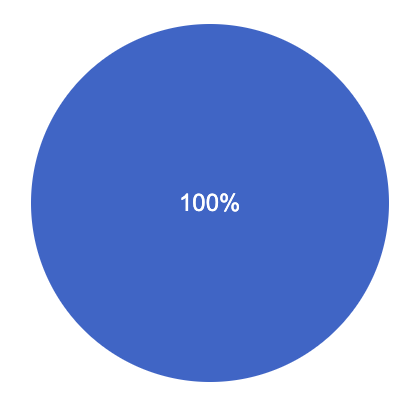
“how frequently do you access the internet…without using a smartphone” all participants responded that they were daily users.

Socialising Through Smart Devices
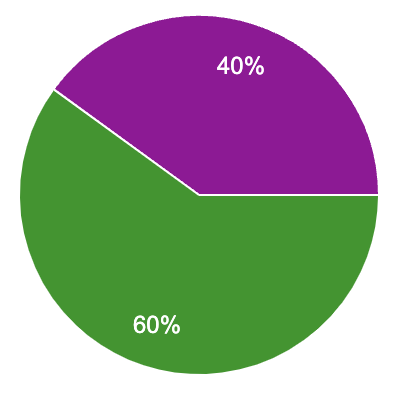
“how accessible are social interactions and community events for individuals without smartphones”

Financial Management
“How do you manage personal finances without using a smartphone?”

Financial Frequency
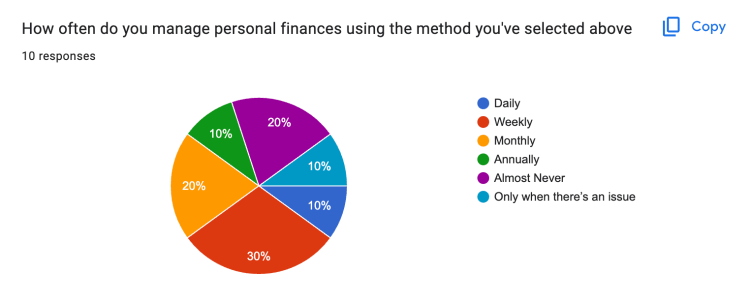
“How often do you manage personal finances using the method you’ve selected?”
Daily Management & Scheduling
“How do you manage scheduling tasks and appointments without using a smartphone”?

Alternate Communication Methods
“What alternative methods do you use to communicate with others in the absence of a smartphone?”

Medical Accessibility
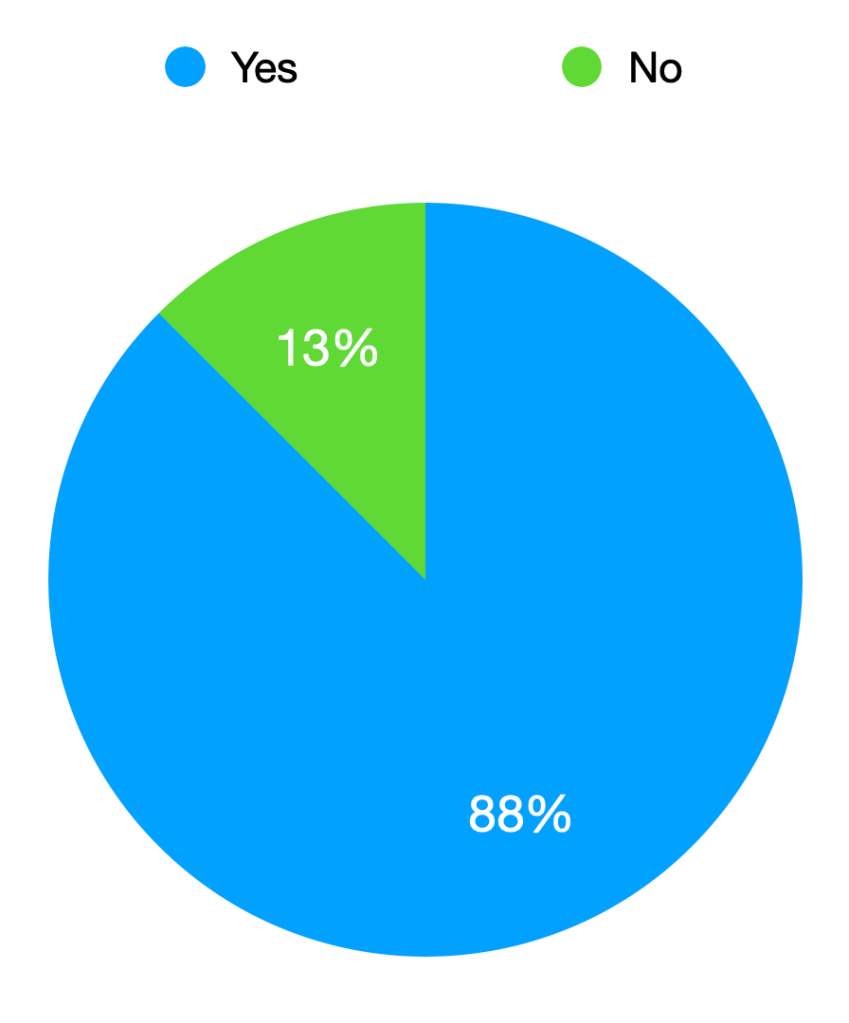
“Do you think you would encounter any challenges in accessing healthcare services or medical information due to not having a smartphone?”
Networking Accessibility
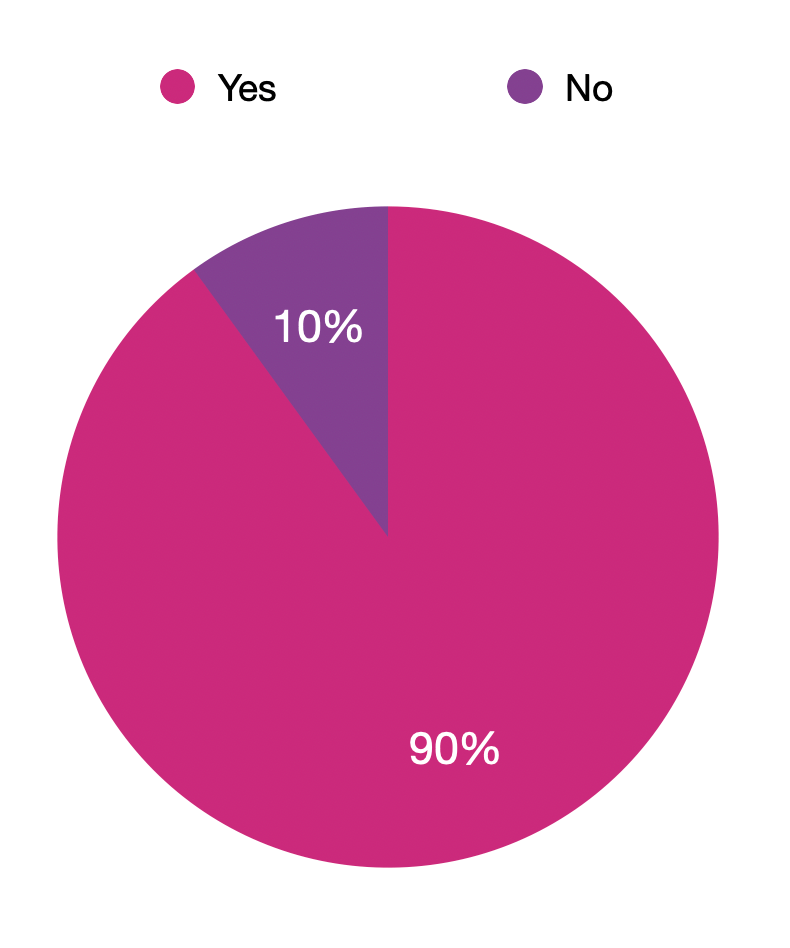
“Do you feel that not having a smartphone would affect your ability to participate in social or professional networking opportunities?”

Housing Accessibility
“Do you feel that not having a smartphone would affect your ability to navigate the housing market whether it be for finding places to purchase or rent?”
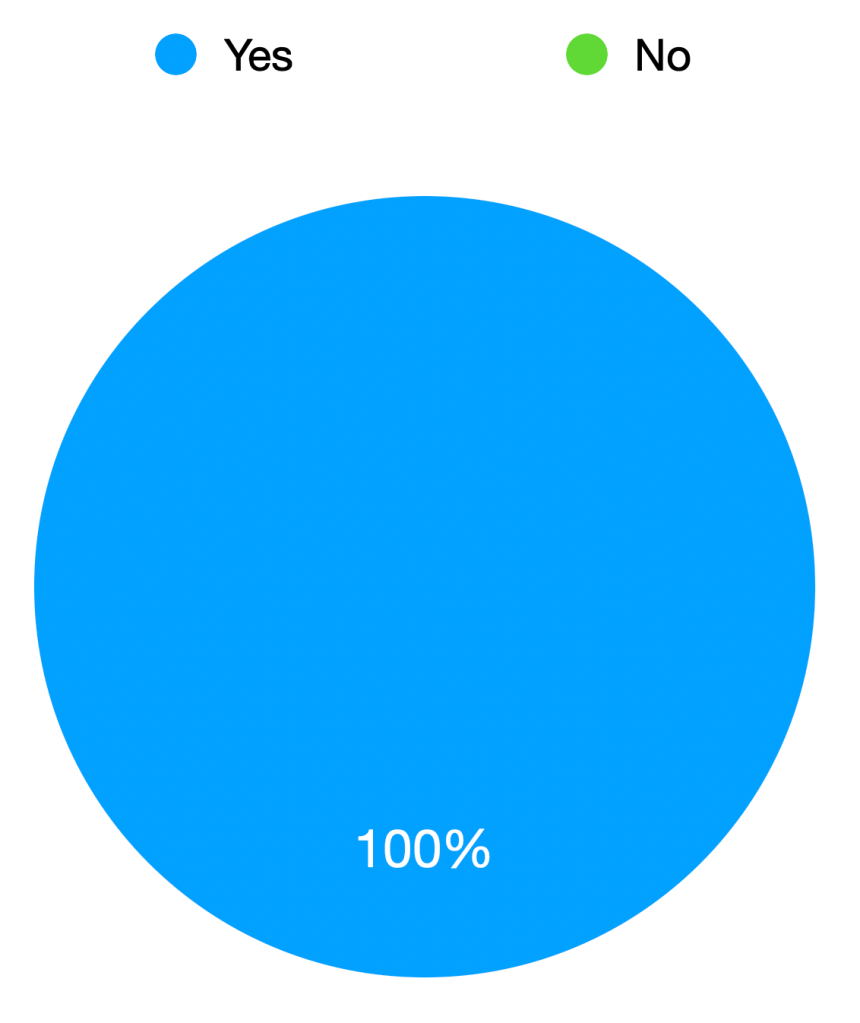
Social Accessibility
“Do you feel that not having a smartphone would affect your ability to be social and keep in touch with your friends and family? “
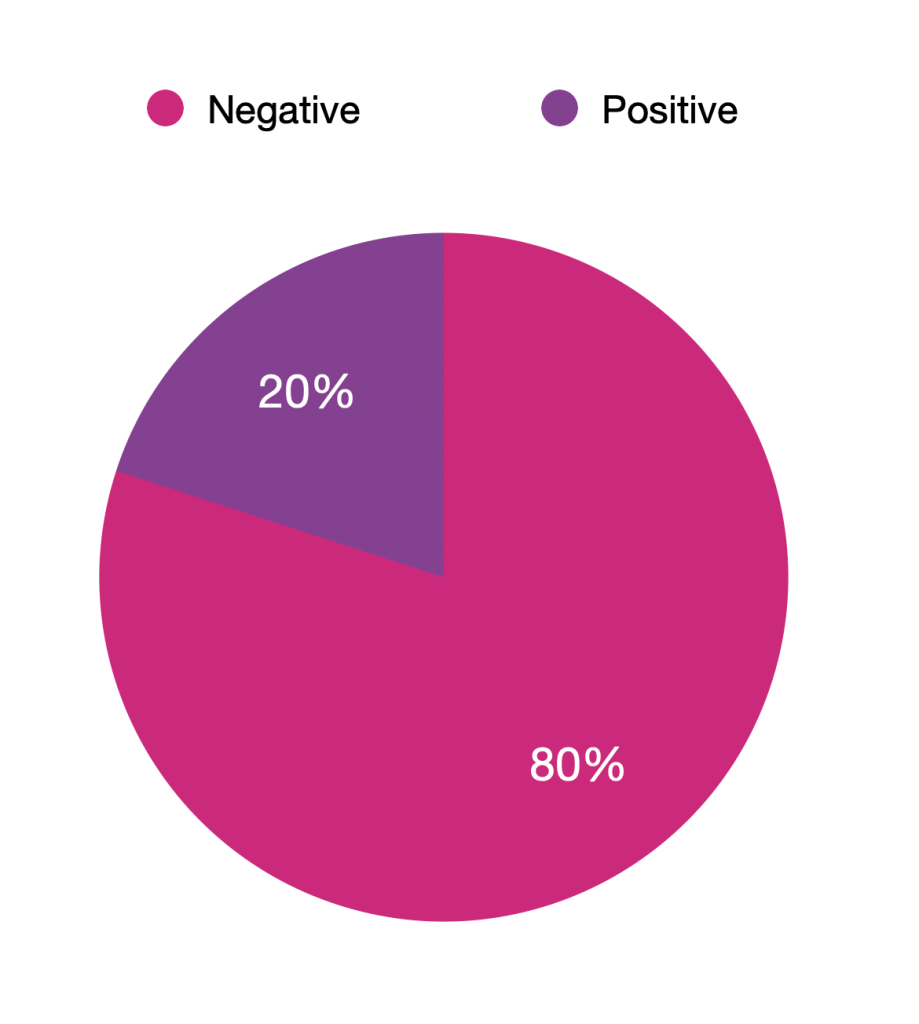
Societal Perception
“How do you think society feels about individuals who choose to not use a smartphone?”

Travel Accessibility
“Do you think that you would experience any difficulties in accessing or using public transportation services without a smartphone for navigation or ticketing purposes?”
Personal Experiences
The purpose of this project is to document the societal issues and inaccessibilities that come with living without access to a smart phone. As such, I took it upon myself to document my findings concerning going without a smart device for an extended period of time, December 2023 to February 2024. This caused several issues with regards to personal, professional and academic life. Habits like checking Canvas for college work and updates, became unlearned. Without access to a smart device when out of the house, I’m unable to see any updates or news regarding gradings, room changes or other events / opportunities that occur on the college campus. It should be pointed out that this was not an issue for a majority of the days attending college, timetables stayed relatively stable and a habit was made to login to canvas every evening via laptop in order to check for any updates that might have been missed.
That being said, it did pose an interesting occurrence when I did inevitably miss a lecture or a room change as a result of not having access to a smart device. There were several instances for which I lacked the information to properly attend a class or networking event. However, once I informed my other classmates about the issues regarding this project, they were more than willing to accommodate me. They were aware of the kind of sacrifices that I would be making as part of my final year project and as such, offered their personal phone numbers to me. In order to document my day to day ventures, I couldn’t rely on my smartphone anymore. Instead I had to use pen and paper for everything. Over the course of the few months, I documented everything in my journal which resulted in me needing to transcribe all data and information regarding my project. This included moments of inaccessibility with regards to social events, networking opportunities, work opportunities, transport opportunities and missing messages from friends and family.
There were moments where the project put an strain on aspects of my professional career. When working in marketing, social media becomes an incredibly important tool to access. In addition to my area of work, my work is freelance, meaning I don’t operate under one company or one boss. This meant that for every new client, initially I had to explain my limitations the regarding my phone and social media access. This resulted in losing several clients during interview processes for such reasons.
As the project progressed, there was a gradual decision to keeping this information from any potential clients and job opportunities purely in order to keep work. It wasn’t impossible to not perform social media without a smartphone however it was certainly limiting. Instagram in particular was incredibly difficult. Although there is a web based version of the Instagram application, it lack many critical features that a typical marketer would rely on in order to drive views. This includes but is not limited to making story content and adding music to posts. This may sound initially trivial however with regards to generating views and interactions online, these are some of the most effective methods of doing so. Working primarily from a laptop develops other problems from an SEO perspective. I asked Robyn Ree who is the Digital Marketing Executive from TodayFM about issues that might arise from only working from a laptop and not a phone and she highlighted that I will inevitably perform worse as result of Instagram’s algorithm. The social media application favours content developed and edited on the mobile version of the application, meaning that I would be at a severe disadvantage against other posts which have statistically most likely been posted from mobile devices. This resulted in a compromise on some degree, I couldn’t afford to sacrifice my source of income for my final year project. As a result, I downloaded the mobile version of the application on an old tablet in an effort to reach a middle ground. I should note that this device never left my home for the duration of this project and would only used as an extension of my at home workflow, granting me access to mobile benefits and standard SEO performance.
This does raise an unexpected issue regarding my project however. Given that this research is being done to study how accessible life can be without the use of a smart device. The fact that there is a loss in clients over the project’s limitations means that on some level, even with a fully functioning laptop, I am unable to perform my work to a satisfactory standard. Not as a result of my skill level but instead potentially as a result of the popularity of phones in general. It’s not barrier that I expected to come across, especially that regarding my project, I thought I was taking the easy way out by still being able to use my laptop and desktop computers. This proved not to be the case however as even with more powerful machinery, portable smart devices like smartphones are required for many areas of work.
There were times unfortunately where regardless of circumstances, I was required to break the rules of the project in order to fulfil my duties to others in my life. This included times where friends or family were sick and needed tending to but were otherwise unaware of my project, resulting in them messaging and calling me on social media where of course I would not see the texts until I was working from my laptop and I would never know if I was called. As a result, I always kept my phone charged at home just in case of some emergencies. This speaks to the social norms that I think we keep around both phones and social media. Social media was one of those things that I was going to be severely limiting myself with this project. This was a welcome change in my life to be sure but definitely one that came with social disadvantages.
Social media as we know it has become an amalgamation of several different application types within the past few years. Only a couple of years ago, Instagram was for sharing photos and videos with friends. Gradually, much additional functionality has been added to the application that the active experience of using it becomes inherently different. For example, the addition of markets to the application with in app purchases make the application much more business oriented. Additionally, the implementation of reels creates a much more addictive flow to the overall usage of the application as whenever you even go to open the Instagram app, video will immediately begin to play and scroll automatically. This for sure, is also to be said about the likes of TikTok and YouTube as well however these types of implementations are still relatively new. The largest change regarding accessibility however definitely occurred a couple of years ago in the advent of Instagram messaging. On the surface, it’s a convenient messaging application built right into Instagram. It is functional and incredibly easy to use. Unfortunately this has resulted in a wide scale mass adoption of Instagram for the usage of only messaging.
The issue with this lies in social accessibility. If a person doesn’t have a smartphone and doesn’t have access to Instagram on their person 24/7 that means that they will inevitably miss calls, texts and messages from most of their friends on a regular basis. They will also miss out on events that are advertised there and group gatherings. These events can range from major to minor events, particularly within a college setting. As an example, there are moments where our college timetable will change on days where we have classes. These days are admittedly few and far between however typically, students would be notified via canvas notifications on their smart devices. The only method that I have of checking my canvas student notifications are via a laptop or desktop at home. This means that while commuting to college (and even between lectures) I have no way of knowing any timetable updates without depending on someone else informing me. This has resulted in the odd missed class (although not all missed classes are a result of this) where simply because I lacked a smart phone, I was unable to navigate my schedule successfully.
This naturally found its way into other aspects of my life. Typically this took the form of minor issues that nevertheless made navigating everyday life more difficult. Transportation for example was more inaccessible as a result of me not having access to a smartphone. I should point out for the sake of the study that I do not have access to a car, meaning that for the duration of this project, I was using public transportation as my primary method of commute. This resulted in me relying on my Leapcard and physical cash / change whenever I needed to travel longer distances. This was not something I needed to adapt to much with the exception of one critical aspects. Leapcards can topped up from smart devices with NFC capabilities but of course, I did not have access to these devices during this project. As a result, I could only top up my Leapcard at shops in Cork City that offer a top up service.
With regards to the overall outlook of the three months spent without the usage of a mobile smart device, the main takeaway from the experience was that although there were many frustrations with disregarding a smart device fro the duration of the project. Many of the inconveniences that were suffered were ultimately minor. This is however a matter of interpretation. For example, the loss of work clients as a result of my lack of a smart phone is definitely a major issue, especially when scaled up to a societal level and indeed was an issue that I had to work around with regards to this project. Additionally, it’s important to note that although a dataset has been recorded over the course of this experience, my perspective is one of many. I am a college student who lives local to where I study. My experience with forgoing a smartphone is going to be vastly different to someone who’s full time job requires them to be available 24/7 or even someone in a different field of work. As a result, there is implicit bias within the dataset that was constructed. Especially with regards to what this project would consider an inaccessibility issue. What could be considered an accessibility issue to my lifestyle might be a minor inconvenience to another person’s lifestyle. These biases are essential to interpreting and making use of the dataset displayed below and are an effective reasoning to do additional research in the form of survey questions presented later within this project, in order to form a more nuanced opinion.
The process of daily data collection culminated in the dataset below, detailing the daily instances where something was inaccessible as a result of me not having access to a smart phone. There are several ideas that we can potentially conclude from the dataset below. The first one being that there is a steady decrease in the amount of accessibility issues faced over the course of the few months.
Figure below displays by Days
Auto – Ethnographic Review
The process of daily data collection culminated in the dataset below, detailing the daily instances where something was inaccessible as a result of me not having access to a smart phone. There are several ideas that we can potentially conclude from the dataset below. The first one being that there is a steady decrease in the amount of accessibility issues faced over the course of the few months.
Figure below displays by Days
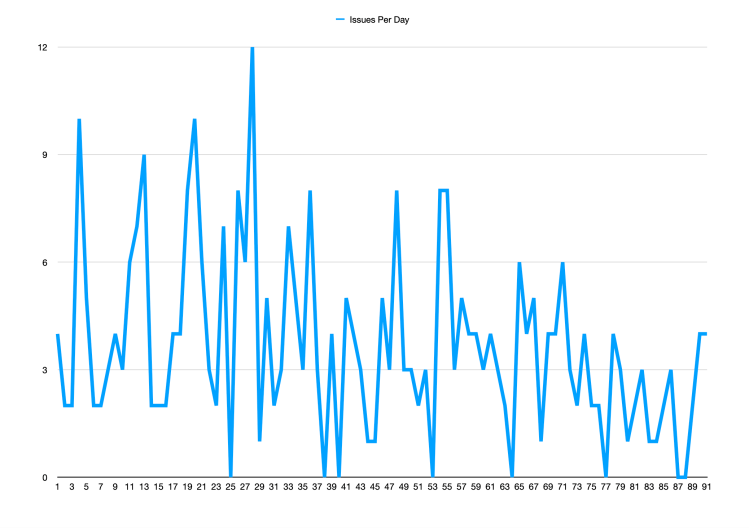
This could possibly have been predicted at the beginning of the project as it is only natural to assume that someone would grow more accustomed to not having a smartphone and discover work arounds to inaccessibilities. One such example was with regards to transportation. As previously stated, I use on Leapcards in order to access public transportation which previously I relied on my smartphone in order to keep topped up however after a while it became routine to top up in local shops that offered the service.
It is possible to take an alternative look at the same dataset by trimming certain aspects and evaluating each month against each other by lining up the week days. Initially, there was a comparison created between the months via their date however there was little to no correlation with this dataset. Below however, displays the issues experiences over in accordance with the day of the week over the course of three months.
Figure below compares Months
December – Blue | January – Green | February – Grey
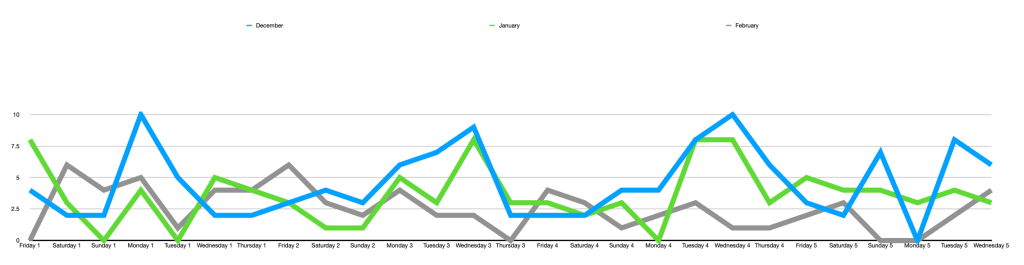
There appears to be a consistent rise and fall with each week and weekend possibly as a result of the fact that my schedule is much busier during the week days with work and college requiring me to interact more with the outside world and thus experiencing more issues than I otherwise would staying at home on the weekends.
Contrasting Perspectives
When beginning this project, I assumed that there would be a strong correlation between my personal experiences with giving up a smart phone and many peoples perception of me giving up a smartphone. As such, I expected the results from the survey to be an appropriate measure of the difficulty of the task. Although it is true that there is certainly disadvantages to lacking a smart device, many of the percentile skews present within the survey would appear to suggest a much more dramatic change in lifestyle.
For example the survey question featured below deliberately asks a vague question that is up to the interpretation of the user.
The question mentions social interactions and community events but these could be attributed to any activity whether its work, a hobby or time spent with family. The question continues to clarify that this includes everyday tasks such as using public transport. Effectively this question asks the users how accessible would everyday living be if they didn’t have access to a smartphone and the survey responded with 60% suggesting high inaccessibility and the remaining 40% suggest a moderate inaccessibility.
This level of inaccessibility is simply not the case at least when it is compared to the personal experience that I participated in for the duration of this project. Towards the end of the survey, a similar question was asked regarding transportation.
Travel Accessibility
“Do you think that you would experience any difficulties in accessing or using public transportation services without a smartphone for navigation or ticketing purposes?”
When asked to explain the difficulties regarding the accessibility of public transportation without a smart phone, there were continuous mentions of the requirements of the app for topping up Leapcards, the necessity of google maps for directions and the importance of the realtime app for bus timetables rather than relying on paper ones.
While it is true that all these are difficulties and are certainly aspects to consider when debating whether to discard your smart phone. It is also important to recognise that many of these difficulties are for many, minor inconveniences. As previously stated, you will eventually learn the habit of topping up Leapcards at shop, googling directions before you leave home as well as bus timetables. 100% of the surveyed users report using the internet everyday from a device that isn’t their smart phone, meaning that all of these options are likely available to them. This of course isn’t going to be the case for all people who discard their smart phones but it is certainly a debatable majority.
The purpose of this project was to measure how accessible modern society is without the use of a smart phone. With regards to public services and a vast majority of events and opportunities, there is certainly a moderate level of accessibility. This means that it is likely that in Cork city, there are few aspects of daily living that you miss out on as a result of not possessing a smart phone.
Unfortunately, just because there is a lack of hard barriers in terms of accessibility doesn’t mean those barriers don’t exist in other forms. Judging by the results of the survey across multiple questions and combined with this project’s personal experience, there is a clear social barrier when it comes to owning or not owning a smart phone.
As seen in the prior two highlighted survey questions, there appears to be a disconnect between what the public perceive as the experience of not having a smart phone. No where is this more exemplified in the question below.
Societal Perception
“How do you think society feels about individuals who choose to not use a smartphone?”
When prompted for reasons behind the negative connotations behind choosing not to use a smart phone, many referred to them as the following: “backwards, out of the loop, hipster, luddite, embarrassing, hermit.”
Thomas Theorem
Within the study of sociology, Thomas Theorem refers to idea that it is the interpretation of a situation that determines how people react to it. “If men define situations as real, they are real in their consequences”, in other words, if a society believes in a stigma then that stigma will become a reality as far as the consequences are concerned.
Within the context of this study, there is a clear exaggeration of how drastically a person’s life is altered if they choose to not have a smartphone. Whether its the belief that public transportation may be near impossible to navigate without a smartphone or the idea that social events are moderately or even highly inaccessible without a smartphone, there appears to be an underlying social belief that living without access to smartphone is impossible for most.
As a result, a large percentage of those who live without a smartphone, are likely going to have to endure those stereotypes and those who continue to make the choice of going smartphone-less, are inevitably more likely to fall into social groups with other like minded people, potentially fulfilling aforementioned stereotypes of being out of the loop as they rely less and less on people with smartphones for news and events.
Conclusion
In conclusion, this study has focused on identifying how accessible modern day society is to people without smartphones. This is important as the negative side effects of smart phones have been widely documented over the past decade and as such, there is a necessity to not build a society around a device that could cause harm to those who use it.
In essence, what this study wanted to discover were aspects of day to day life that were no longer accessible as a result of unnecessary smartphone implementation, making something that was previously accessible to everyone, only accessible to those with smartphones. A smaller scale example would have been the mass adoption of QR code menus at restaurants, these became incredibly popular during the COVID-19 pandemic but appeared to have been largely discontinued.
Instead what this project uncovered above all else was potential a stigma against those who decide not to use a smartphone. This was felt during the project as well as whenever there would be a person reaching out to message over social media, there would inevitably be a long delay between their message and a response. Oftentimes there was never.a response with situations instead rectifying themselves before I had the opportunity to check my messages on my laptop at home.
The potential findings of this research project although bleak are none the less useful. In understanding that the primary issues with not possessing a smartphone are social inaccessibilities rather than any other inaccessibilities, that means that social rewards can be potentially supplemented in an effort to sway people away from smart phones in the future. In essence, by building societies that have the ability to support each other at a local level with close communities and regular social events, there may be plausible methods of dissuading social stigma surrounding not owning a smartphone and prevent potential hard accessibility barriers from rising in the future.
Future Work
With regards to future work, there are many aspects of this project that I would like to improve upon. The planning stage of this project was troubled with issues determining whether or not the project was viable to begin with. Even with regards to pitching the project, it was difficult to conclude what I was definitively measuring by either giving up my personal smartphone or by asking others about their perceived accessibility issues that come with forgoing smartphones. As with parts of this report’s “Introduction” section and “Background & Related Work” section, the graph below originates from my digital project plan for this Final Year Project.
Graph Key

Research and Development
This refers to all processes involved in understanding and defining my project. Including finding reliable sources to base my data around, planning out the function of my data and its potential uses as well as projecting what potential issues I may have in the future.
Personal Data Collection
This refers to my own personal experiences with going smartphone-less and the various issues / advantages that come along with it. I am chronicling my accessibility issues and allowing them to inform the makeup of the next section of the project.
Surveyed Data Collection
This refers to conducting a survey and asking people questions about their phone use and potential accessibility issues that they might have with going smartphone – less. I will be using my own experiences to dictate what kinds of questions I will be asking them, in conjunction with general accessibility queries. I will also be asking participants if they would attempt to go smartphone-less for a period of time however I likely will not get any participants taking me up on that offer, I will instead be querying as to why they wouldn’t give up their device and comparing the reasons offered to the other questions they have answered in order to hope develop a consistent idea of why the general public feel like they need to have smartphones all of the time.
Data Analysis
This refers to my findings after I’ve compared my own experiences to that of my surveys. Involving graphing and organising data in a way that it can be easily understood and cited.
Website and Development Revision
This refers to the act of developing a website of where to put my findings, ensuring that it is easy to navigate and understand. There will also be the objective of allowing the website to ask users to contribute to new datasets concerning going smartphone-less and documenting the issues that come with it.
As shown above within the graph, an overwhelming majority of allotted time was dedicated to research and development of the project. With that being said however, the time that was spent during research and development was often spent remising over decisions and rethinking the projects intended purpose. There were constant ideas to reformat the project into something more familiar when discussing smartphones and dependancy.
Perhaps it would have made a better project to focus on something that was already well known such as social media addiction and expand on it in my own terms. It would have certainly made pitching the idea easier as it would have been a familiar concept, there would also likely have been far more sources from which this project could cite. As of now, there is little in the way of similar projects with regards to accessibility which made the process of completing this project incredibly difficult even if this project didn’t have me acquire its own personal datasets.
If this project had a bigger scope or timeframe, I think that ultimately it would be a website or a social media movement that attempted to lessen the stigma surrounding people without smartphones. This could take the form of a marketing campaign, website and influencers to effectively make it trendier to disregard the smart phone. In recent years similar projects have began to pop up with celebrity backing. Most notably the product category of “dumb phones” have seen a rise in popularity with backers such as Kendrick Lamar promoting them to young people today. “It is marketed as “just a phone”, and a less distracting alternative to other modern designs – part of the trend that sees more mainstream support for “dumb phones”, which are less smart and more practical devices.” (Mouriquand, 2023) Effectively these devices are more similar to pre smart phone era phones, with some featuring physical keyboards and simple user interfaces. Such a trend isn’t local to American culture either with even the Irish Examiner pushing for the use of dumb phones in todays world “I swapped my smart phone for a ‘dumb’ phone — and I’m so glad I did” (O’Shea, 2023)
The website for such an expansive version of this final year project could be much more fully featured with the ability for others who give up their smartphone to document their experiences. This was something that was initially planned for this version of the project however it didn’t seem feasible to convince people for an undergraduate final year project, to give up their smart phones for a period of time. With more of a marketing campaign surrounding something like this with influential backers, it could become feasible on a wider scale. The website itself could be a social platform, in essence a substitute for instagram or Facebook where people without smartphones can interact and share their experiences. It could be much more akin to early Facebook or MySpace, lacking a strong algorithm that attempts to retain the users attention. From a design perspective, it could be interesting to see more a Y2K aesthetic come back for a project like this.
See image below for example, sourced from Freepic, https://www.freepik.com/free-psd/flat-design-y2k-template_42036308.htm
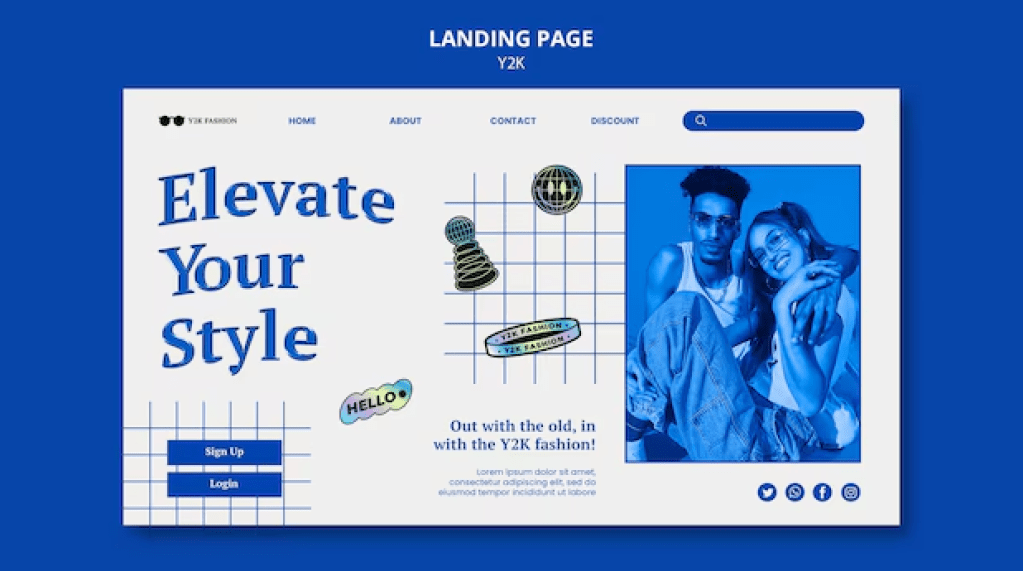
In essence, if I were to change anything about the project knowing what I know now, it would be to change the purpose and form of the project. In essence, this project is a form of measurement and study with datasets and perspectives that are useful for academia. However a project like this could help people instead of only being used for research and speculation. A reworked version of this project could see a website with social interaction at its core without the continual reliance on smartphones as its hook. Social events have been planned around concepts like this and as previously stated, influencers and general media are turning to smartphone alternatives more often in recent years.
There is a clear desire to not be dependent on smart devices within day to day living. Through a strong marketing campaign, social webspace and potential local influence, this project could have been more social then sociological in nature and in doing do, would become more of a service rather than an academic piece. This however, I feel would have been a better outcome for a project covering smart phone dependency. Instead of asking whether we are overly dependant on smart devices or even if its possible to disregard them in day to day living, a vast majority of the public already understand that smartphones are invasive with potentially addictive software.
In a practical sense, it could have been a more helpful project if instead of measuring smart phone dependency and reflecting upon it, to create a service that lets people manage their own smart phone dependency, granting them the tools and local community to help themselves and help each other.
 Maxwell Callanan
Leave a comment